

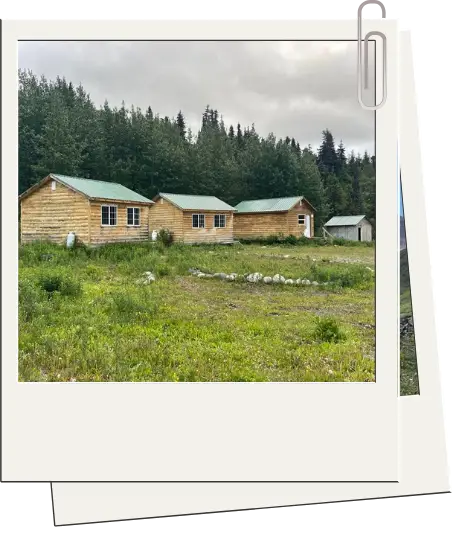

Once your hunt is booked, our team will walk you through everything you need to prepare. You’ll receive a full gear list, travel instructions, and training recommendations tailored to your specific hunt. Most hunters fly into Whitehorse, Yukon, where we arrange transport into base camp. From there, we access the field by horseback, riverboat, or bush plane, depending on your hunt.
We’ll coordinate the timing of your arrival, help with any questions about firearms declarations or licensing, and make sure you’re set up for success. These are remote hunts, weather, terrain, and timing all play a role. We’ll stay in communication leading up to your departure so you know exactly what to expect.
If you’re ready to hunt hard, adapt when needed, and experience British Columbia the right way, we’ll take care of the rest.

What gear should I bring?
We will provide a detailed gear list tailored to your hunt. High-quality boots, layered clothing for changing weather, rain gear, and a reliable rifle are essential. Optics, day packs, and physical readiness are just as important. Goat and sheep hunters should be prepared for high elevation and challenging terrain.
Will I have a chance to check my rifle when I arrive?
Yes. Once you arrive at base camp, you’ll be given the opportunity to shoot your rifle to confirm it hasn’t shifted during travel. This is a mandatory step before heading into the field.
How physically demanding are the hunts?
These are not lodge hunts. Moose hunts require long days in the saddle or on foot. Goat and sheep hunts are physically demanding backpacking with 40–50 lbs of gear, hiking steep ridgelines, and glassing for hours at a time. Be mentally and physically prepared for extreme weather, long days, and remote conditions.
What happens after a successful harvest?
Moose hunts require long days in the field, expect to ride horses 4-6 hours a day. Goat and sheep hunts are physically demanding backpacking with 40–50 lbs of gear, hiking steep ridgelines, and glassing for hours at a time. Be mentally and physically prepared for extreme weather, long days, and remote conditions. We can accommodate all levels of fitness. Please reach out to plan your dream hunt.

Backpack Hunts – Gear & Prep
Our backpack hunts take you deep into rugged, remote country where weight, weather, and gear choices all matter. These hunts demand preparation. Here’s what you’ll need:
Duffle Bags
Bring one or two medium soft-sided duffle bags. Total packed weight (excluding your rifle or bow) should not exceed 50 lbs.
Backpack
We recommend the Kuiu Pro 6000 or 7800. Previous experience carrying a pack is strongly encouraged.
Sleeping System
You’ll need a lightweight, compact sleeping bag rated to at least -40°C. The Kuiu 0° bag or Taiga Morning Star are proven options. A compact sleeping pad like the NeoAir or Klymit is also recommended.
Footwear
Worn-in, waterproof hiking boots are required—do not bring new boots. Lightweight camp shoes (like Crocs) are useful around camp.
Raingear
Top-tier raingear is a must. Bring a waterproof jacket with hood and pants. Kuiu Yukon gear is highly recommended.
Clothing & Layers
Bring two pairs of gloves, a warm hat, and a layering system that includes merino wool and down insulation. Late-season hunters should pack warmer layers. Clothing should be breathable, quiet, and quick-drying. Include a dry change of clothes for camp.
Essentials
- Merino and hiking socks
- Long underwear
- Personal toiletries and medications
- Water bottle or hydration pack
- Compact first aid kit with blister and wound care items
Optics & Tools
- Binoculars with a harness
- Spotting scope with tripod
- Quality knife or Havalon with extra blades
- Multi-tool
- Two headlamps (fully charged)
- Insect repellent
- Sunscreen (for August)
- Lighter
- Duct tape
- Paracord
- Power bank
Weapon
Bring a properly sighted-in rifle with ammo or a bow with arrows. Include all necessary customs documents.
Temperatures
- August: Daytime +5°C to +20°C
- September: Daytime -10°C to +10°C
- Nights: Can drop below freezing, especially later in the season
Boat & Lodge Hunts – Gear & Prep
These hunts offer more comfort but still take place in rugged, remote country. Whether you’re hunting from the lodge or navigating river systems by boat, proper gear is essential. Pack smart, keep it under 50 lbs (excluding your rifle or bow), and come prepared for unpredictable weather.
Duffle Bags
Bring one or two medium soft-sided duffle bags. Total packed gear should not exceed 50 lbs (not including weapon).
Daypack
Kuiu Pro 6000 or 7800 recommended. Prior experience using a pack system is helpful.
Sleeping Bag
Not required for lodge hunts. If you’re in a remote camp, bring a compact bag rated to at least -10°C. Suggested: Kuiu 0° or Taiga Morning Star.
Footwear
Bring worn-in, waterproof hiking boots (no new boots) and a pair of rubber boots for wet conditions. Lightweight camp shoes (like Crocs) are recommended for evenings.
Raingear
High-quality rain jacket and pants with a hood are essential. We recommend the Kuiu Yukon series.
Clothing & Layers
Pack two pairs of gloves and a warm hat. Kuiu Super Down mitts are excellent for glassing or colder hunts. Bring comfortable, quiet hiking clothes and layer with merino wool or down. Late-season hunters should plan for cold temps. Include a clean set of clothes for relaxing at camp.
Additional Essentials
- Long underwear and merino socks
- Toiletries and any personal medications
- Water bottle (Nalgene), Camelbak, or similar hydration system
- Binoculars with harness, spotting scope, and tripod
- Camera and charger
- Knife or Havalon with extra blades, plus a multi-tool
- Two charged headlamps
- Insect repellent, sunscreen (August), lighter, duct tape, and paracord
- Small first aid kit with foot and wound care items
Weapon
Bring a properly sighted-in rifle with ammo or a bow with arrows. Be sure to carry all required customs documents.
Temperatures
- August: Daytime +5°C to +20°C, nighttime 0°C to +10°C
- September: Daytime -10°C to +10°C, nighttime +5°C to -15°C
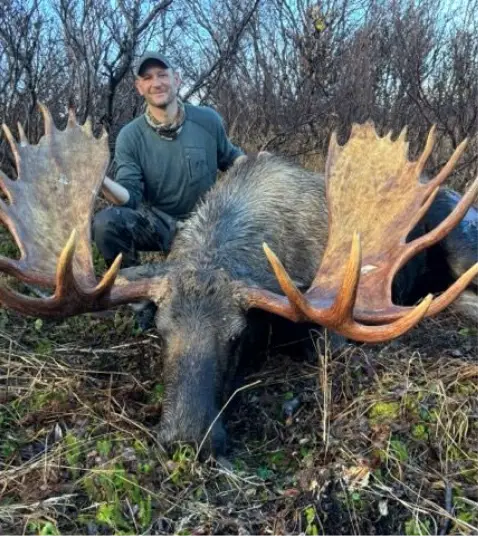

Every animal taken in our camps is treated with respect, and that starts the moment it hits the ground. Our guides are experienced in proper field care, from caping and skinning to meat handling in remote conditions. We cape and prep all trophies for travel or mounting, and meat is cleaned, cooled, and packed based on your specific plans. Whether you’re flying home with it or arranging for taxidermy and shipping, we’ll walk you through the process and ensure it’s done right.